Spring Maintenance Tips: 10 Easy Ways to Wake Your Car Up After Winter
Winter is over, but your car might not be ready for spring. It’s time for some spring car maintenance tips to get your vehicle back in shape. Snow and road chemicals can cause damage, like corrosion and worn tires. A spring inspection checklist will make sure your car is ready for summer.
With the right care, you can improve your car’s fuel efficiency and extend its life. You’ll also avoid unexpected breakdowns.

Spring vehicle care begins with a detailed check of your car’s systems. Make sure to check your tire pressure every week. As temperatures go up, so does the pressure, affecting your safety and gas mileage.
Replace your windshield wipers, which wear out faster in winter. This will give you better visibility in rainy weather. Don’t forget to clean the undercarriage, as salt can cause damage and rust. Chevrolet and Ford recommend changing air filters every 30,000 to 45,000 miles for better airflow.
A quick spring car inspection checklist can help prevent breakdowns by 40% this summer.
Key Takeaways
- Check tire pressure regularly as temps rise—1 PSI drops per 10°F colder weather.
- Replace wiper blades every 6–12 months to improve visibility by up to 40% in rain.
- Clean undercarriages reduce rust by 70% where road salt is used.
- Regular maintenance extends vehicle lifespan by 25%—stick to brands like Chevrolet’s 45,000-mile or Ford’s 30,000-mile air filter schedules.
- A spring car checklist lowers summer breakdown chances by 40%.
Why Your Vehicle Needs Special Attention After Winter
Winter’s harsh conditions can damage your car in ways you might not see right away. spring driving conditions bring new challenges like salt residue and moisture in hard-to-reach spots. If you ignore these, you could face breakdowns and expensive repairs. Getting your car checked now can prevent these issues.

The Hidden Damage of Winter Driving
Road salt and sand stick to your car’s underside, making spring rust prevention harder. Moisture in wheel wells and exhaust systems can start corrosion quietly. Even small scratches can let salt in, damaging metal.
Brake pads and suspension parts also take a hit from icy roads. Not taking care of these can lead to prevent spring breakdown and spring road safety issues.
Cost Benefits of Preventative Spring Maintenance
- Early rust detection through professional inspections can save up to 20% on repairs.
- Checking tire pressure now can save up to 4% on fuel and extend tire life.
- A seasonal auto checklist helps avoid costly repairs from neglected fluids or worn belts.
Skipping basic spring maintenance can lead to higher costs later. Simple tasks like washing the undercarriage or checking the battery cost much less than fixing corroded parts.
How Salt and Winter Chemicals Affect Your Vehicle
Road salt mixed with water forms an acidic sludge that harms metal. This can weaken the frame and exhaust system over time. spring auto care includes rinsing off these chemicals with a low-pressure hose. If you don’t, rust can spread, shortening your car’s life by 15% or more. Regular maintenance stops rust before it’s too late.
Understanding Spring Car Maintenance Tips: A Seasonal Necessity
Spring is the perfect time to get your car ready after winter. Start with a thorough spring car maintenance tips routine. First, wash and wax the car to protect it from UV rays and dirt.
Use a car cleaning checklist to make sure you clean every part, from tires to the underside. This step is not just for looks. It helps prevent rust and corrosion.

Check your tires for the right air pressure and tread depth. Cold weather can lower tire pressure, so adjust it as needed. Rotate your tires to make them last longer.
Next, check the levels of your car’s fluids: oil, coolant, and brake fluid. Change the oil filter to keep your engine running well. Don’t forget to check your windshield wipers. Replace them if they’re stiff or cracked.
“A clean undercarriage and proper alignment save money long-term,” says Eric the Car Guy, recommending Powerbuilt Tools for DIY tasks.
Make a auto care schedule to keep track of when to check your car. Book a mechanic spring service for big jobs like brake pads or head gasket checks. Even small tasks like cleaning battery terminals can help.
Spring maintenance is not just about mechanics. Clean your car’s interior with the right products to make it last longer. Use a car owner checklist to keep track of your progress. By doing some things yourself and getting help from mechanics, you can keep your car running well for years.
Essential Tools and Supplies for Spring Car Care
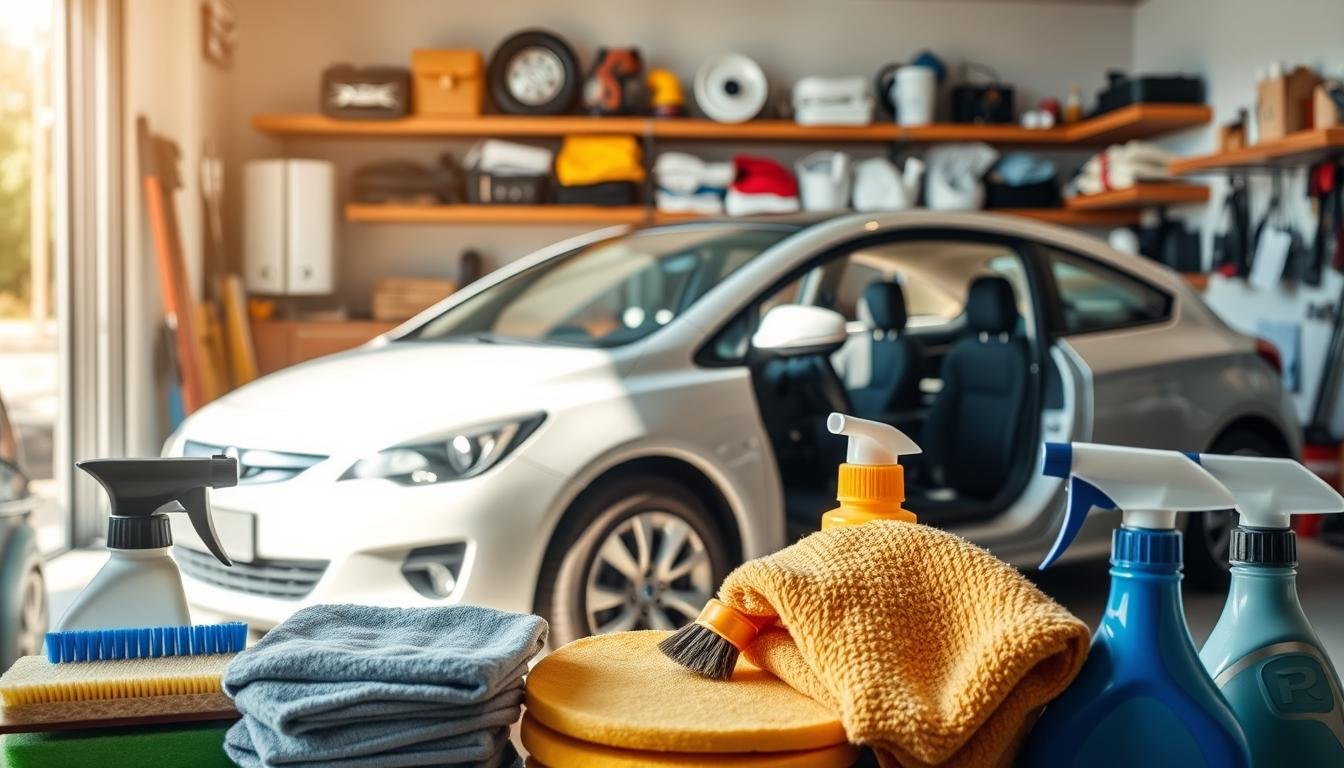
Spring is the perfect time to get your car ready with the right tools and products. Start by washing the exterior with the best cleaners to remove salt. Use car drying towels to prevent watermarks and get a streak-free finish. These items are key for keeping your car in top shape.

Cleaning Products You’ll Need
- Car wash soap and wheel cleaners: Choose brands like Chemical Guys or Meguiar’s to fight road salt and grime.
- Interior detailers: Use microfiber cloths and upholstery cleaners to get rid of winter salt from seats and carpets.
- Car polish recommendations: Apply Turtle Wax to restore paint and protect it from UV rays.
Maintenance Tools Worth Investing In
- Tire pressure gauge: Keep an eye on PSI changes with the seasons.
- Oil filter wrench: Makes filter changes easy without damaging parts.
- Flashlight: Check undercarriage areas for corrosion or damage.
DIY vs. Professional Supplies
DIY tasks like washing with car wash spring kits are easy to do at home. But, jobs like car parts replacement or undercarriage detailing might need professional tools. Auto parts stores often have tools for rent, but get essentials like car drying towels for regular use. For tough stains, use professional-grade products to clean without harming surfaces.
Always choose quality over price. Follow the manufacturer’s guides for car polish and spring cleaning ideas. The right tools and supplies make seasonal maintenance easy.
Exterior Washing: Removing Winter’s Harmful Residue
Spring is here, and your car needs more than just a quick clean. Start with a thorough wash and wax to protect car paint from the sun. Whether you go to a pro or do it yourself, make sure to clean undercarriage to get rid of harmful road salt. Follow these steps to keep your car in top shape.
Proper Techniques for Undercarriage Cleaning
First, safely lift your car using ramps or a professional lift. Then, use a high-pressure hose to remove dirt without soap. Pay special attention to wash under fenders and exhaust pipes. For tough spots, consider Ziebart’s rust-prevention packages at over 1,200 locations. Always dry your car well after cleaning.
- Raise vehicle using ramps or a lift for full access.
- Rinse with high-pressure water, avoiding soap to prevent stripping coatings.
- Inspect for rust spots and treat with rust converter if needed.

Removing Road Salt to Prevent Corrosion
Road salt can cause rust by keeping metal parts wet. Use a stiff brush to clean door jambs and wheel wells. Remove road salt every month to slow down rust. For clean rims spring, spray alloy wheels with degreaser and rinse well. Don’t forget to clean wash under fenders to avoid hidden damage.
Best Car Wash Products for Spring Cleaning
| Product | Use Case | Benefits |
|---|---|---|
| Meguiar’s Gold Class | Full-body wash | pH-balanced formula, protect car paint, safe for clear coats |
| Chemical Guys Wheel Cleaner | Aluminum rims | Breaks salt deposits, clean rims spring |
| Mothers Heavy Duty Glass Cleaner | Windows and lights | Streak-free clarity, wash car glass, allergy-friendly formula |
Use products with car shine tips like microfiber towels to avoid scratches. A car wash tips spring guide suggests rinsing tires and fenders weekly. Always be careful with protect car paint by avoiding harsh brushes on delicate areas.
Paint Protection: Waxing and Polishing After Winter Exposure
Winter takes a toll on your car’s paint. Start by washing it fully and then applying car wax for spring. Salt, UV rays, and temperature changes remove protective layers, making paint vulnerable. A spring car detailing routine helps keep paint safe, increasing its life and value.

First, wash your car well. Then, use a clay bar to remove most dirt. Choose a car polish spring that suits your needs: fix scratches or add a protective seal. For dull headlights, use a headlight restoration kit to improve safety and look.
For long-lasting protection, consider car polish recommendations like Carnauba-based waxes or ceramic coatings. Apply wax car body with a microfiber pad, paying extra attention to curves and edges.
- Use car shine tips: Rinse wax residue immediately to avoid hazing.
- Reapply car wax for spring every 2-3 months for maximum spring car protection.
- Incorporate spring car detailing into your routine to prevent 50% of corrosion risks.
Ignoring these steps can lead to faded paint and rust, lowering your car’s value. For serious damage, consider professional help to fix car scratches or apply protect car paint sealants. Make spring car detailing a priority to maintain your car’s shine and safety for years.
Tire Care: Checking Pressure, Tread, and Rotation Needs
After washing your car and applying wax, do a detailed tire checkup. It’s key for safety and better fuel use. First, check tire pressure when tires are cold to get accurate readings.

How to Properly Check Tire Pressure
Use a tire gauge every month, more often after big temperature changes. A 10°F change means a 1 PSI change. Here’s how to do it right:
- Check pressure before driving to ensure cold tires.
- Compare readings to the PSI listed on your car’s door placard, not the tire sidewall.
- Adjust pressure to match recommended levels—overinflation causes center tread wear; underinflation reducesates sidewalls and lowers gas mileage.
Examining Tread Wear Patterns
Check tread depth with a penny. Place it in the grooves with Lincoln’s head upside down. If his head is visible, replace tires. Look for uneven wear: edges signal underinflation; center wear points to overinflation. Rotate tires every 5,000–8,000 miles to make tread last longer.
When to Schedule Wheel Alignment After Winter
Winter potholes can mess up wheel alignment. Signs include steering wheel pulling, uneven wear, or a crooked steering wheel at idle. A wheel alignment spring fixes these problems, saving you from expensive rotate car tires replacements. Fix alignment issues quickly to avoid costly fixes.
Fluid Maintenance: Oil, Coolant, and Other Vital Checks
Spring is the perfect time for a car fluids check. It ensures your car runs well after winter. Use this car fluids checklist to avoid expensive repairs and keep your car in top shape.

- Change oil spring with the right viscosity. Use thicker oil in hot places and thinner in cold ones. Also, change the filter every 3,000–5,000 miles to stop engine wear.
- Coolant refill with a 50/50 mix. If your car is over two years old, get a flush antifreeze to remove corrosion.
- Check power steering fluid levels. Add more or replace if needed, and look for leaks.
- Test brake fluid check for moisture. Replace it if it’s contaminated to avoid brake failure.
- Schedule a flush transmission fluid every 30,000 miles or as your manual says. This stops sludge buildup.
- Use a fuel system cleaner to get rid of winter dirt. This can boost fuel efficiency by up to 10%.
Following these engine care tips can make your engine last 50% longer. Skipping these steps can lead to overheating or engine failure, costing up to $1,500. A car fluids checklist helps you stay on track for reliable performance.
Battery Inspection and Maintenance

Cold winter months can weaken your battery. This makes it harder to hold a charge. A battery check after winter helps prevent sudden failures. Cleaning car battery terminals and testing its health ensures it works well in spring.
These steps help avoid breakdowns and boost your car’s performance in spring.
Signs Your Battery Suffered Winter Damage
Look out for slow engine starts, dim headlights, or a glowing check engine light. Corrosion or a cracked case mean serious damage. Batteries older than three years often fail after harsh winters.
This can lead to mid-spring failures. Always check connections—cold weather can loosen them, causing electrical issues.
How to Clean Battery Terminals
Remove corrosion safely with these steps:
- Combine 1 tbsp baking soda with warm water.
- Scrub terminals with a stiff brush until clean.
- Rinse with a water spray and dry completely.
Apply terminal protectant spray to prevent future buildup and ensure a secure connection.
Testing Battery Health at Home
Use a multimeter for a battery voltage test. A fully charged battery shows 12.6V when off. During a battery load test, voltage must stay above 9.6V under strain.
Auto parts stores offer free tests—replace weak batteries to avoid summer failures. If issues persist, schedule an engine diagnostic scan to rule out electrical system issues.
Proper maintenance extends battery life and aligns with spring tune-up tips. Regular checks reduce risks of sudden failure, ensuring safe driving through seasonal changes.
Wiper Blade Assessment and Replacement Options
Spring driving prep begins with clear visibility. After winter, check your car wipers for damage. This ensures safety during spring driving. Worn blades can cause streaks or skips, making it hard to see in spring rains.

Signs You Need New Wiper Blades
- Streaks or smearing when in use
- Squeaking, chattering, or jumping during operation
- Cracked, split, or bent blade edges
- Rubber deterioration or metal frames showing corrosion
If you notice any of these signs, it’s time for a replacement. The Motorist Assurance Program suggests replacing blades every 6–12 months. Skipping this can lead to poor visibility in spring showers, which is dangerous.
Top-Rated Replacement Blades for Spring Weather
Choose blades that handle seasonal changes well. Beam-style blades ensure even pressure, while hybrid designs are both durable and flexible. PEAK’s heavy-duty options last long in spring’s varied weather.
Don’t forget to check your windshield washer fluid levels when replacing blades. Switch to summer fluid that removes bugs. Keep your windshield clean by following these steps:
- Remove old blades carefully to avoid scratching the windshield.
- Select blades matching your vehicle’s size and mounting type (hook, pin, or clip-on).
- Install new blades and test for smooth motion across the windshield.
Make wiper blade replacement a part of your spring driving prep. This ensures clear vision and keeps your car safe and comfortable.
Engine Performance: Checks and Tune-ups for Spring
As winter fades, your engine needs a deep refresh. Spring tune-up tips and engine care tips help restore peak car performance spring. Start with a spark plug inspection—worn plugs can reduce efficiency by up to 15%. Use a fuel system cleaner to remove winter moisture buildup, boosting fuel efficiency by 5-10%. Don’t ignore the check engine light; a engine diagnostic scan can spot hidden issues before they escalate.

- Replace the air filter every 30,000-45,000 miles (e.g., Ford vs. Chevrolet schedules)
- Check oil and filter replacement to prevent sludge buildup from cold starts
- Look for cracks in hoses or belts—replace at 4 years or 50,000 miles for serpentine belts
| Task | Frequency |
|---|---|
| Air Filter Replacement | Every 30k-45k miles (manufacturer-specific) |
| Fuel System Cleaner | Every 30,000 miles or annually |
| Spark Plug Replacement | Every 30k-100k miles (consult service schedule) |
A engine bay clean removes salt residues that corrode electrical components. Follow your vehicle’s service schedule for optimal performance. If you see the check engine light, a professional engine diagnostic scan can pinpoint issues like fouled plugs or clogged fuel injectors. Prioritize filter replacement for oil, cabin, and fuel systems to maximize longevity.
Ignoring these steps risks a 10-20% drop in fuel efficiency. Schedule a tune-up at 50k, 100k, or 150k miles to avoid costly repairs later. A clean engine bay and fresh filters are the foundation for reliable car performance spring and beyond.
Brake System Inspection After Winter Driving
Winter’s salt, ice, and short trips harm brakes. A brake check spring is key to avoid expensive fixes. Salt and moisture can corrode parts and contaminate fluid.
More than 70% of drivers miss brake pad checks after winter. This increases the risk of brake failure by 50%. Make sure to keep your brakes in top shape for car safety spring.

Common Winter-Related Brake Issues
- Rusty rotors from salt exposure
- Brake fluid contamination (dark fluid = moisture buildup)
- Caliper seizure from freezing water in mechanisms
DIY Brake Inspection Steps
Here’s a spring car inspection checklist:
- Check brake pad thickness—replace if under 3mm
- Look for brake fluid leaks around the master cylinder
- Test pedal response—spongy feel may signal air in lines
- Inspect rotors for warping or scoring
When to Seek Professional Brake Service
See a mechanic if you notice:
- Pulsating steering wheel during stops
- Brake fluid that’s dark (needs flush)
- Vehicle pulling to one side (uneven pad wear)
- Grinding noises (metal-to metal contact)
Ignoring these signs can be dangerous. A pro can fix hydraulic issues or resurface rotors. Even if your car seems fine, a professional check is wise.
Make sure to include brake checks in your spring car inspection checklist. Regular brake fluid check and pad inspections can save you 40% in the long run.
Interior Cleaning and Refreshing Your Driving Space
Spring is the perfect time to make your car’s interior shine again. Start by vacuum car spring debris from carpets and crevices. Remove floor mats for a deep floor mat wash outside, scrubbing off salt and grit. This helps protect your car’s upholstery from damage.
Regular vacuuming and detailing can eliminate up to 80% of allergens, improving air quality and comfort.

Removing Salt Stains from Carpets and Mats
Salt can damage fabrics and leather. Mix equal parts water and vinegar to remove stains. Rinse well and let carpets dry to avoid mildew. Clean cup holders and crevices with a microfiber cloth to get rid of winter dirt. Don’t forget to trunk clean up—wipe down trunk walls and corners where snowmelt and debris collect.
Effective Dashboard and Console Cleaning
Use a dust dashboard with a soft cloth and glass cleaner. Polish vinyl or leather with AutoManiacs Interior Dressing to prevent cracking. Clean vents with detailing brushes to remove clean car vents dust. For tough stains, apply a specialized cleaner, let it sit, then wipe.
Eliminating Winter Odors from Your Vehicle
Odors can stick in seats and vents. Use enzymatic cleaners to tackle mildew. Spray a car odor remover in the cabin. Replace cabin air filters every 12,000 miles to stop bacteria growth. For a fresh smell, place activated charcoal packets in cup holders overnight. A car spring cleaning routine keeps allergens away and protects your upholstery.
Air Filtration: Cabin and Engine Filter Replacement
Spring is here, and it’s time to refresh your car’s air systems. Replace cabin air filters and engine air filters to keep air clean and engines running well. The Car Care Council says this is key for safety and performance.

Cabin air filters catch pollen, mold, and bad smells. A dirty filter can cause weak airflow or musty smells. Refresh car smell by checking your filter every spring. For example, a Honda Civic’s cabin filter costs $41-$49, which is cheaper than ignoring allergens.
Chevy Tahoe owners spend $70-$92 on engine filter changes. But waiting too long can lead to breakdowns and lower fuel economy.
- Chevrolet recommends engine air filter replacement at 45,000 miles.
- Ford advises every 30,000 miles in severe conditions.
- Toyota Camry owners average $47-$56 for engine filter changes.
“Neglecting a bad cabin air filter can damage vital components,” warns RepairPal. Clean car vents now to avoid costly repairs.
Check clean car vents for dust buildup. Replace cabin filters every 15,000-30,000 miles or yearly. Endurance auto plans offer filter replacement discounts, saving up to $3,500 annually. These steps will make your drive healthier and more enjoyable this season.
Spring-Ready HVAC System: Ensuring Comfort for Warmer Days
Spring is here, and your car’s HVAC system needs a change. A simple hvac inspection can prevent future problems. Regular checks like a car ac test or defrost function check keep it running smoothly. Follow this car owner checklist to stay cool all season.
Testing Your Air Conditioning Before Summer Heat
Begin with a car ac test in early spring. Turn on the AC and let it run for five minutes. Listen for odd noises and check the airflow. If it’s weak or warm, it’s time for a hvac inspection.
Professional service every 30,000 miles keeps refrigerant levels right. Clean car vents with a soft brush to improve airflow. A clogged filter can raise energy use and strain the compressor.
Checking Heating and Defrosting Functions
Don’t forget to test the heater. Turn on the defrost function check by activating the front and rear defrosters. Frosty windows in spring rains? It might be a heater core or blend door issue.
Do a spring break car check to catch problems early. Use a car owner checklist to note any coolant leaks or worn belts.
Identifying and Eliminating HVAC Odors
Musty smells mean mold in the vents. Use a car odor remover spray and clean car vents with a disinfectant wipe. For tough odors, a professional hvac inspection can help.
A fresh air out cabin with interior spring scents like citrus sprays improves automotive wellness. It reduces allergens.

“A well-maintained HVAC system can cut energy use by 30% and extend its lifespan by up to 15 years.”
Pro tip: Schedule service for hissing noises or weak airflow. Decatur Trailer Sales & Service offers AC tune-ups for commercial fleets. A quick car ac test today saves money later. Make sure to follow these steps for a cool summer.
Creating a Seasonal Maintenance Schedule for Year-Round Care
Keep your car in top shape with a car maintenance routine that changes with the seasons. Begin by downloading a spring maintenance guide or car checklist printable to keep track of tasks. Use your car’s service schedule as a starting point. Add car inspection steps every 3 months to handle wear from road salt, temperature changes, and seasonal driving.

- Plan diy auto care tasks like tire pressure checks and fluid level inspections.
- Combine basic spring maintenance with fall tasks to balance seasonal needs.
- Include car fluids checklist reviews during oil changes every 3,000-5,000 miles.
“A well-planned auto care schedule reduces repair costs by 40% and extends vehicle lifespan by 50%.”
Here’s how to proceed: 1) Schedule tire rotations and brake checks as the manufacturer suggests. 2) Use a car owner checklist to record tasks you’ve done. 3) Set reminders on your calendar for service schedule milestones. Regular checks can prevent 70% of breakdowns caused by ignored systems. Use apps or a physical log to keep track of your progress.
By following this routine, you’ll save on repairs and increase your car’s resale value. A consistent maintenance routine makes it a habit, not a chore. Your car will reward you with smoother rides and fewer surprises on the road.
Conclusion: Driving Into Spring with Confidence and Peace of Mind
Starting with a full exterior wash and wax is key for spring prep. It protects your car’s paint from salt damage. Checking tire pressure and tread is also important to keep your car safe on the road.
Don’t forget to change your oil and check fluids to keep your engine running smoothly. These steps are the first part of making sure your car is ready for spring. Regular checks like battery tests and brake inspections help avoid breakdowns and keep your car in good shape.
Replacing old wipers and cleaning air filters also makes your car safer and more comfortable. Even modern cars like the 2025 Lincoln Navigator need regular maintenance. This keeps them running well and reliable.
Spring maintenance also includes checking your car’s HVAC system and alignment. This helps handle potholes and rain better. By doing these tasks now, you avoid problems later and save on fuel. Your car will be ready for summer heat and long trips.
Seasonal maintenance is more than just fixing things. It’s an investment in your safety and your car’s performance. Start now to enjoy worry-free drives, with a car that’s ready for any season. Every check and adjustment brings you peace of mind, making sure your car is reliable for any journey.
With the right spring prep, you’re ready for whatever spring brings. Your car will be safe and reliable, whether you’re running errands or exploring new places.
FAQ
Why is spring maintenance essential for my vehicle?
Spring maintenance is key because winter can damage your car’s parts. Road salt, snow, and ice can hide problems. Fixing these issues early saves money and keeps your car running well.
What areas should I focus on during spring car maintenance?
Focus on exterior cleaning, tire care, and fluid checks. Also, inspect the battery, replace wipers, and check the engine. Don’t forget the brakes, interior, air filters, and HVAC system.
How often should I check my vehicle’s fluids in spring?
Check your fluids at least once a season. Spring is a good time to check oil, coolant, brake fluid, and windshield washer fluid. This helps after winter.
What tools do I need for DIY spring car maintenance?
You’ll need a tire pressure gauge, oil filter wrench, and fluid transfer pump. Also, a battery tester and cleaning products like car wash soap and microfiber cloths are essential.
How can I remove road salt buildup from my vehicle?
Use a pressure washer or hose on the undercarriage and hard spots. Clean the surface with a pH-balanced car wash to avoid damage.
When should I replace my vehicle’s battery?
Replace your battery every 3-5 years. If it’s slow or shows warning lights, test or replace it sooner.
What are the signs that my wiper blades need replacement?
Look for streaks, skips, squeaks, or worn-out rubber. Replace wipers every 6-12 months, more often after winter.
How can I ensure my tires are in good condition for spring driving?
Check tire pressure when cold and use the penny test for tread depth. Look for wear patterns and rotate tires as recommended.
What maintenance should I perform on my vehicle’s engine in spring?
Inspect belts and hoses, check the engine air filter, and spark plugs. Use a fuel system cleaner to remove winter deposits.
Why is interior cleaning important during spring maintenance?
Cleaning the interior removes winter residues like salt and moisture. This prevents odors, allergens, and material wear. A clean cabin also improves air quality.